How to Choose the Best Cat Carrier
Bringing your feline friend anywhere outside the home can feel like a mission. Whether it’s a routine vet visit, a cross-country move, or even just a short trip to the groomer, the right cat carrier isn’t just a convenience – it’s a necessity for their safety and your peace of mind. For many cats, the carrier itself can be a source of stress, turning a simple journey into a harrowing experience. That’s why we at Happy Pet Product Reviews are here to guide you through the maze of options.
Choosing the best cat carrier for travel isn’t a decision to take lightly. A poorly chosen carrier can lead to escape attempts, injuries, excessive anxiety for your cat, and a major headache for you. On the other hand, a well-chosen, comfortable, and secure carrier can transform these necessary trips into much calmer events, making the whole process less stressful for everyone involved. We’ve seen firsthand how much difference the right gear makes, and we’re excited to help you find the perfect match for your beloved companion’s next adventure, big or small.
What to Look For
Finding the ideal cat carrier involves balancing several key factors. We’ve broken down the most important considerations to help you make an informed choice that prioritizes your cat’s comfort and safety.
Size Matters
This is perhaps the most critical factor. A carrier that’s too small will be cramped and uncomfortable, increasing your cat’s stress. One that’s too large, however, can be just as problematic, allowing your cat to be tossed around inside during movement, which can cause injury or further anxiety. Your cat should be able to stand up, turn around, and lie down comfortably in a natural position. For airline travel, specific dimensions are often required for under-seat carriers, so always check with your airline beforehand. A good rule of thumb is to measure your cat from the tip of their nose to the base of their tail, and from their paws to the top of their head, then add a few inches to each measurement for the carrier’s interior dimensions.
Material and Durability
Cat carriers come in a few main material types, each with pros and cons:
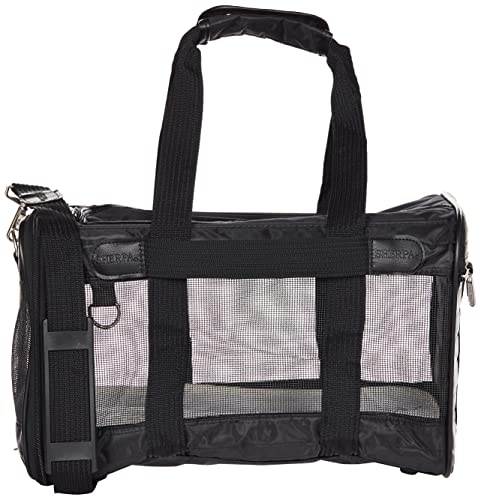
- Soft-sided carriers: Typically made from fabric like nylon or microfiber, these are lightweight, often collapsible for easy storage, and can be more comfortable for short trips. They usually have mesh windows for ventilation. The downside is they offer less protection against impacts and can be more difficult to clean if accidents happen. They’re excellent for airline cabin travel due to their flexibility.
- Hard-sided carriers: Made from sturdy plastic, these are more durable, offer better protection, and are generally easier to clean and sanitize. They often feature wire or plastic grates for ventilation. While bulkier to store, their rigidity can make anxious cats feel more secure. They’re great for car travel and for cats who might try to chew their way out of a soft carrier.
- Wire carriers: Less common for cats, these offer excellent ventilation but can feel less secure to some cats and may not be comfortable without substantial bedding.
Regardless of the type, inspect the quality of the zippers, seams, and latches. Flimsy construction is a no-go for an escape artist feline!
Ventilation
Good airflow is non-negotiable. Your cat needs plenty of fresh air to prevent overheating and reduce feelings of claustrophobia. Look for carriers with ample mesh windows or ventilation holes on multiple sides. This isn’t just about comfort; it’s about safety, especially during warmer weather or longer cat carrier travel. Ensure the mesh is sturdy and cannot be easily clawed through.
Security and Safety Features
Cats are notoriously agile and determined when they want to be. A secure carrier means robust zippers (self-locking or with clips are a bonus), sturdy latches on hard carriers, and no gaps where paws or noses could get stuck. For car travel, look for carriers with seatbelt loops or straps that allow you to secure the carrier to the car seat, preventing it from sliding around or becoming a projectile in a sudden stop. Ensure there are no sharp edges or pinch points inside the carrier that could harm your cat.
Comfort and Accessibility
A comfortable carrier starts with a soft, washable pad or liner. Some carriers come with one, but you can always add a familiar blanket or towel. Easy entry and exit are also key. Top-loading carriers, which allow you to gently lower your cat into the carrier from above, are often a godsend for owners of reluctant travelers. Front-loading doors should be wide enough that your cat doesn’t feel squeezed. Good handles or a comfortable shoulder strap make carrying easier for you, especially if your cat is on the heavier side.
Ease of Cleaning
Accidents happen, especially when a cat is stressed. A carrier that’s easy to clean is invaluable. Removable, machine-washable liners are fantastic. Hard-sided carriers can often be hosed down or wiped clean with pet-safe disinfectants. Soft-sided carriers should ideally have liners that can be removed and washed, or be made of materials that can be easily spot-cleaned.
Our Top Pick – Sherpa Original Deluxe Travel Pet Carrier
After extensive testing and countless trips with our own feline companions, we consistently recommend the Sherpa Original Deluxe Travel Pet Carrier. This soft-sided carrier truly excels in combining comfort, security, and practicality, making cat carrier travel significantly smoother. Its patented spring wire frame allows the rear end of the carrier to be pushed down several inches, conforming to under-seat dimensions on most airlines – a huge plus for those flying with their cats. We appreciate the multiple mesh windows for excellent ventilation, the top and side entry options for easy loading, and the comfortable faux lambskin liner that’s removable and washable. The non-slip shoulder strap and seatbelt/luggage strap make it versatile for all modes of transport, giving us peace of mind that our furry friends are safe and secure wherever we go. It’s built to last and designed with real pet travel in mind.
Common Mistakes to Avoid
Even with the best intentions, new pet owners sometimes make simple mistakes that can turn a carrier experience sour. We want to help you avoid these common pitfalls.
- Buying the Wrong Size: As we mentioned, getting the size just right is crucial. A carrier that’s too small is cruel, and one that’s too large can be dangerous. Always measure your cat and compare it to the carrier’s interior dimensions, not just the exterior.
- Only Using the Carrier for Vet Visits: If the only time your cat sees their carrier is when they’re being taken to the vet for shots or an unpleasant procedure, they’ll quickly associate it with fear and negativity. Leave the carrier out in your home, with the door open and a comfy blanket inside. Toss treats or toys into it. Make it a safe, familiar den, not just a travel prison. This positive association is key for stress-free cat carrier travel.
- Forgetting Hydration and Sustenance for Longer Trips: For journeys longer than a few hours, your cat will need access to water, and possibly food. Many carriers have small pockets where you can stash collapsible bowls or a small bag of treats. For extended travel, consider setting up an automatic feeder for travel once you arrive at your destination. We’ve found that automatic cat feeders for travel can be a lifesaver for maintaining routine.
- Not Checking Airline Requirements: If you plan to fly with your cat, always double-check the specific dimensions and requirements of your chosen airline, both for in-cabin and cargo travel. These rules can vary significantly between carriers and change without much notice. Don’t assume your carrier will fit just because it’s labeled “airline approved” – verify!
FAQ
How can I get my cat to go into the carrier willingly?
Start by leaving the carrier out in a common area of your home, making it a familiar piece of furniture. Place treats, toys, or a favorite blanket inside. Use positive reinforcement: reward your cat with praise and treats whenever they voluntarily enter or even approach the carrier. For reluctant cats, try a top-loading carrier which allows you to gently lower them in rather than pushing them through a front door.
Should I choose a hard-sided or soft-sided carrier?
It depends on your cat and your needs. Hard-sided carriers offer more protection, are easier to clean, and provide a sense of security for anxious cats. Soft-sided carriers are lighter, often collapsible, and more flexible for airline under-seat requirements. If your cat is an escape artist or prone to accidents, a hard-sided option might be better. For casual, short trips, a soft-sided one like the Sherpa Original Deluxe Travel Pet Carrier is often ideal.
Can I use a dog carrier for my cat?
While some small dog carriers might seem suitable, they are generally not recommended for cats. Dog carriers are often too large, which can make a cat feel insecure and allow them to be jostled around too much. They might also lack specific features beneficial for cats, such as top-loading access or adequate ventilation tailored for smaller animals. Always opt for a carrier specifically designed for cats.
What should I put inside the carrier?
A soft, familiar blanket or towel that smells like home is a must. This provides comfort and absorbs any accidents. You can also include a favorite small toy. For anxious cats, a pheromone spray (like Feliway) applied to the bedding 15-20 minutes before travel can help calm them. For longer trips, a disposable absorbent pad underneath the blanket is a good idea.
How can I calm my cat during travel?
Acclimation is key. Positive association with the carrier beforehand makes a huge difference. During travel, keep the carrier covered with a light blanket to create a den-like atmosphere, reducing visual stimulation. Speak to your cat in a calm, reassuring voice. Avoid opening the carrier during transit unless absolutely necessary. For some cats, a veterinarian might recommend mild sedatives for very stressful journeys.
Ready for Your Next Adventure?
Choosing the right cat carrier is an investment in your cat’s well-being and your own peace of mind. It’s not just about getting from point A to point B; it’s about making that journey as comfortable, safe, and stress-free as possible. By considering factors like size, material, ventilation, and security, and by taking the time to acclimate your cat to their carrier, you’re setting yourself up for success.
Don’t wait until the last minute before a trip to find the perfect carrier. Start now, make it a positive experience, and you’ll both be ready for whatever adventures lie ahead. For a carrier that consistently delivers on comfort, safety, and convenience for all your cat carrier travel needs, we heartily recommend the Sherpa Original Deluxe Travel Pet Carrier. Happy travels!