How to Choose Puppy Training Pads
Bringing a new puppy home is an exhilarating adventure! Those tiny paws, that wagging tail, the endless cuddles – it’s pure joy. But let’s be honest, it also comes with its fair share of challenges, and topping that list for many new pet parents is potty training. While we all dream of a perfectly house-trained pup from day one, the reality involves a lot of patience, consistency, and a few inevitable accidents. This is where puppy training pads come in.
Choosing the right puppy training pads isn’t just about picking up the first pack you see at the store. It’s about setting your puppy, and yourself, up for success. The right pads can make the difference between a quick, relatively clean training period and a frustrating, messy ordeal. A good pad offers superior absorbency, minimizes odors, and protects your floors, making the transition from indoor pads to outdoor potty breaks much smoother. At Happy Pet Product Reviews, we understand that budget matters, but so does effectiveness. We’re here to help you navigate the options and find the best fit for your furry family member without breaking the bank. Let’s get those little accidents under control!
What to Look For
When we’re evaluating puppy training pads, we focus on several key factors that directly impact their effectiveness and your overall experience. Here’s what we consider essential:
1. Absorbency Power
This is arguably the most critical feature of any puppy training pad. A highly absorbent pad means fewer leaks, less tracking, and better odor control. Look for pads that boast multiple layers – typically five or more – with a super-absorbent polymer (SAP) gel core. This gel rapidly converts liquid into a solid, preventing it from spreading or seeping through. A quick-drying top layer is also crucial. It helps keep your puppy’s paws dry after they’ve done their business, reducing the chance of them tracking urine throughout your home. We’ve found that pads with excellent absorbency not only keep floors cleaner but also make the cleanup process much easier for us.
2. Size Matters
Puppies come in all shapes and sizes, and so do puppy training pads. What works for a tiny Chihuahua puppy won’t be sufficient for a growing Golden Retriever. Consider your puppy’s current size and anticipate how quickly they’ll grow. It’s often better to opt for a slightly larger pad than you think you need, especially if you have a medium to large breed. A larger surface area gives your puppy more room to maneuver and helps prevent “misses” right on the edge of the pad. If you’re using a crate, ensure the pad fits comfortably without bunching, but remember that pads should generally be placed outside the sleeping area to avoid confusing your pup about where to relieve themselves.
3. Leak-Proof Backing
A pad can have all the absorbency in the world, but if the backing isn’t truly leak-proof, you’re still going to end up with wet floors. This non-negotiable feature typically comes in the form of a durable, waterproof plastic or polyethylene layer. We always stress the importance of a robust backing because even a small leak can damage floors, especially hardwood, and create lingering odors. When we test pads, we deliberately pour liquid on them and check the underside for any dampness. A truly effective pad will keep all moisture contained, protecting your floors and making disposal cleaner.
4. Attractant Scent
Some puppy training pads come infused with a special pheromone or scent designed to attract your puppy to the pad. This can be a helpful training aid, guiding your puppy to the designated spot and reinforcing where they should go. For some puppies, this attractant makes a noticeable difference in their understanding of where to potty. However, not all puppies respond to these scents, and some pet owners prefer to rely solely on positive reinforcement and consistent placement. If you’re struggling to get your puppy to use the pads, an attractant scent might be worth trying. Just be sure it’s a subtle, non-overpowering scent that won’t irritate your pup or your family.
5. Odor Control
Let’s face it, puppy accidents smell. Good odor control in a training pad is essential, especially if you live in a smaller space or are using pads for an extended period. Many pads incorporate activated charcoal, baking soda, or other neutralizing agents within their absorbent layers to trap and eliminate urine odors. While no pad can completely eliminate all smell, a pad with effective odor control can significantly reduce the “doggy smell” in your home between changes. We always look for pads that not only absorb liquid quickly but also lock away those unpleasant smells, keeping your home feeling fresh.
6. Adhesive Strips
While not strictly necessary for all situations, adhesive strips on the corners of puppy training pads can be incredibly helpful. These strips allow you to secure the pad firmly to the floor, preventing playful puppies from bunching it up, dragging it around, or missing the target because the pad shifted. This feature is particularly useful for active puppies, in high-traffic areas, or if you have multiple pets who might disturb the pad. For us, the convenience of a pad that stays put is a big bonus, as it means less mess and less frustration during the training process.
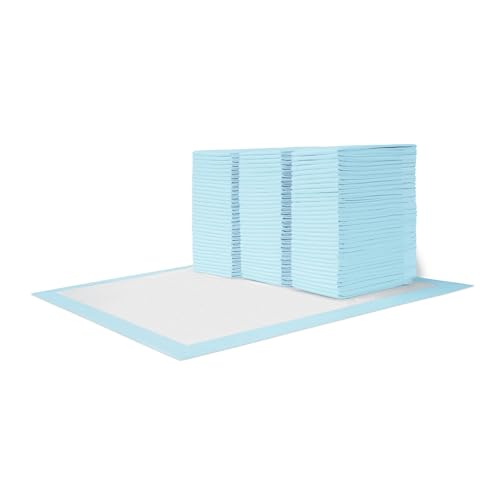
Our Top Pick – Amazon Basics Puppy Training Pads 100 Count
After extensive testing and considering all the factors above, our top budget-friendly recommendation for new puppy parents are the Amazon Basics Puppy Training Pads 100 Count. These pads consistently deliver on the promise of effective, no-fuss potty training. We found their 5-layer design, featuring a super-absorbent core, locks away moisture quickly, preventing leaks and reducing tracking. The leak-proof plastic backing is robust, providing excellent floor protection, and the built-in attractant helps guide puppies to the right spot. They offer great value in a 100-count pack, making them a cost-effective choice for the demanding period of puppyhood. For reliable, affordable pads, you truly can’t go wrong with the Amazon Basics Puppy Training Pads 100 Count.
Common Mistakes to Avoid
Even with the best puppy training pads, success often hinges on how you use them. We’ve seen many new pet owners make common errors that can prolong the training process or even hinder it. Here are a few pitfalls to steer clear of:
1. Inconsistent Placement
One of the biggest mistakes is frequently moving the puppy training pads. Puppies learn through repetition and consistency. If you constantly change the pad’s location, your puppy will become confused about where their designated potty spot is. Choose a quiet, accessible area for the pad and stick with it. As your puppy progresses, you can gradually move the pad closer to the door, eventually transitioning them outdoors.
2. Not Praising Success
Positive reinforcement is the cornerstone of effective puppy training. When your puppy successfully uses the pad, make a big deal out of it! Offer enthusiastic praise, a happy voice, and a small, high-value treat immediately after they finish. This helps them associate using the pad with positive rewards and encourages them to repeat the desired behavior. Missing these crucial moments means missing opportunities to reinforce good habits.
3. Punishing Accidents
Never, ever punish your puppy for an accident. Yelling, scolding, or rubbing their nose in the mess will only teach your puppy to fear you, not to understand where to potty. It can also lead to them hiding their accidents or becoming anxious about relieving themselves in front of you, making training much harder. If you catch your puppy in the act, calmly interrupt them, pick them up, and take them to the pad. If you find an accident after the fact, simply clean it up thoroughly with an enzymatic cleaner and resolve to supervise more closely next time.
4. Using Pads Indefinitely
Puppy training pads are a tool, not a permanent solution for most dogs. While they are invaluable during the early stages of house-training, especially for young puppies or those living in apartments, the ultimate goal should be to transition your puppy to outdoor potty breaks. Relying on pads for too long can make this transition more difficult, as your puppy may become accustomed to indoor elimination. Start gradually moving the pads closer to the door, and then eventually outside, as your puppy matures and gains bladder control.
FAQ
How often should I change puppy training pads?
It depends on how frequently your puppy uses them and their size. For young puppies, you might need to change pads 2-3 times a day or after each use, especially if they are heavily soiled. Regularly changing them helps control odor and maintains a clean environment.
Can I use puppy training pads for an adult dog?
Yes, puppy training pads can be useful for adult dogs in specific situations, such as for senior dogs with incontinence, dogs recovering from surgery, small breeds living in apartments, or during severe weather conditions when outdoor potty breaks are difficult.
Where should I place puppy training pads?
Place them in a designated, easily accessible area away from your puppy’s food, water, and sleeping area. Initially, you might have a few pads, then gradually reduce to one as your puppy learns. A corner or a spot near the door is often a good choice.
Are puppy training pads environmentally friendly?
Most disposable puppy training pads are not considered environmentally friendly due to their plastic backing and non-biodegradable absorbent materials. For eco-conscious pet parents, reusable, washable pads are a more sustainable alternative, though they require regular laundering.
How long does it take to potty train a puppy using pads?
The timeline varies widely depending on the puppy’s breed, age, individual learning speed, and your consistency. It can take anywhere from a few weeks to several months. Patience and positive reinforcement are key throughout the process.
Closing
Bringing a puppy into your home is an incredibly rewarding experience, and navigating the potty training phase is just one step on your journey together. By choosing the right puppy training pads and approaching the process with consistency, patience, and plenty of positive reinforcement, you’ll set your furry friend up for success. Remember, accidents happen, and that’s okay. What truly matters is your dedication to teaching your puppy good habits and building a strong bond.
We believe that the right tools, like reliable Amazon Basics Puppy Training Pads 100 Count, can make a world of difference, simplifying the learning curve for both of you. And as your puppy grows and masters their potty training, remember there are always new adventures to explore, perhaps even finding the perfect no-pull dog harnesses for those first walks in the park. You’ve got this, and we’re here to help every step of the way!