Food / Cats
New Kitten Checklist: 6 Things to Have Ready
Bringing a kitten home? The 6 things to have ready before day one, from growth food and litter to a carrier for the first vet visit.
Updated on October 29, 2026

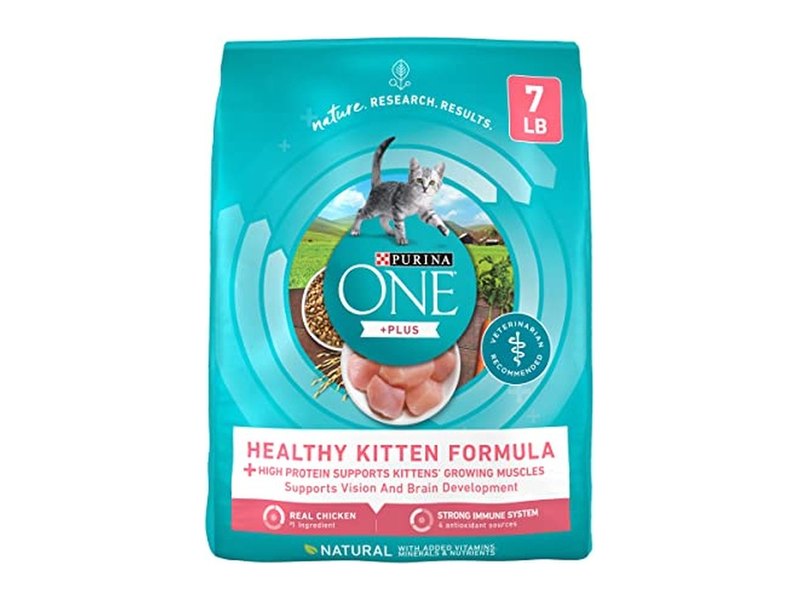
Purina ONE High Protein Kitten Food
We may earn a commission if you buy through these links, at no extra cost to you.
Quick pick: If you buy one thing today, make it a growth formula such as Purina ONE High Protein Kitten Food on Amazon.
Good gift for: a friend bringing home their first kitten.
A new kitten needs six things in the house before it arrives: kitten food, litter, a box it can step into, a scratching post, a carrier and a plan for small, regular meals. Everything else can wait a week. Before you buy any of it, ask the shelter or breeder which food and litter the kitten already uses. Keeping those the same for the first days means one less change in a week that is already full of them.
This checklist takes each item in the order you will need it and links our full guide for each one. The picks come from those guides.
The checklist at a glance
| # | Item | Why it matters on day one | Our full guide |
|---|---|---|---|
| 1 | Kitten food | Growth needs more protein and calories than adult food carries | Best kitten food |
| 2 | Litter | The box only works if the kitten accepts the litter | Litter for odor control |
| 3 | Litter box | A small kitten has to be able to step in without a climb | Litter boxes |
| 4 | Scratching post | Scratching starts at once, so give it a legal target first | Scratching posts |
| 5 | Carrier | The first trip out is usually to the vet | Cat carriers |
| 6 | A feeding schedule | Kittens eat several small meals a day | Automatic cat feeder |
1. Kitten food, with our featured pick
Kitten food exists as its own shelf for one reason: a kitten is building bone and muscle on a deadline, and an adult recipe does not carry enough protein or calories per mouthful. Three checks sort a real kitten food from an adult food in a kitten bag:
- Read the AAFCO statement. It must say the food is formulated for growth or for all life stages.
- Look for a named animal protein first in the ingredient list.
- Plan the moisture. Dry kibble holds little water, so pair it with wet food if your kitten drinks little.
Our featured pick is Purina ONE High Protein Kitten Food, rated 4.8/5 (as of Oct 28, 2026) on Amazon. If the shelter fed something else, mix the new food into the old over several days. The full kitten food guide compares it with wet and dry alternatives.
Amazon’s customer review summary, read Oct 29, 2026:
“Customers find this cat food palatable, with their pets devouring it like crazy and showing no fuss while eating.”
2. Litter
Start with the litter the kitten already knows, then change slowly if you need to. When you do choose, clumping matters most for odor: tight clumps lift the whole source of the smell out of the box. Scented litter can put a sensitive cat off the box entirely, so an unscented litter is the safer first try. If your kitten is young, ask the shelter or your vet which type they recommend before you switch. The litter odor control guide compares three clumping litters on clumping and scent.
3. Litter box
A kitten needs a box it can step into without a climb. Large lidded boxes are built for adult cats, so check the entry height before buying one for a small kitten, or start with a low open pan and move up as it grows. Put the box somewhere quiet and away from the food bowl. The litter box guide covers larger boxes for later.
4. Scratching post
A kitten starts scratching right away. Give it a post before it finds the sofa. A tall, heavy post gives a full-body stretch and won’t tip when the kitten throws its weight at it. The SmartCat Ultimate Scratching Post stands 32 inches on a 16 x 16 inch base with a woven sisal surface, so a kitten has room to grow into it. Our scratching post guide has the full specs.
5. Carrier
The first trip out of the house is usually to the vet, so have the carrier before the kitten comes home. A good fit lets a cat stand up, turn around and lie down in a natural position. Our pick for vet visits is the Sherpa Original Deluxe Travel Pet Carrier, a soft-sided carrier. Leave it open in a room the kitten uses, with a towel inside, so it becomes furniture rather than the box that means the vet. The cat carrier guide compares soft and hard carriers.
6. A feeding schedule
A kitten needs several small meals a day, and a bowl that is always full teaches a habit that costs you later. If the house is empty at the second mealtime, an automatic feeder handles the timing. The PETLIBRO WiFi Cat Feeder is app-controlled and holds 5 liters of dry food. Our automatic feeder guide covers setup and portions. If someone is home all day, a schedule and a measuring cup do the same job.
Worth adding in the first month
None of these is urgent, but each solves a problem that tends to come up within weeks:
- A water fountain, for a kitten that drinks little from a still bowl. See our pet water fountain guide.
- Interactive toys, to spend the energy that would otherwise go into your ankles. See interactive cat toys.
- A bed of its own. See cat beds.
- A grooming brush, to keep loose fur off the furniture. See cat grooming brushes.
Common questions
What do I need before bringing a kitten home?
Six things: kitten food, litter, a litter box the kitten can step into, a scratching post, a carrier and a plan for several small meals a day. Toys, a bed, a water fountain and a brush can follow in the first month.
Which kitten food should I start with?
Start with whatever the shelter or breeder fed, then move to your choice over several days if you want to change. Whatever you choose, its AAFCO statement should say it is formulated for growth or for all life stages.
Do I need a scratching post on the first day?
Yes. Kittens scratch from the start, and an early habit is easier to set than to break. A tall, stable post in the main room gives them somewhere to scratch before the sofa does.
The short version: get the food and litter the kitten already knows, a box it can step into, a post, a carrier and a meal plan. Then add the rest as you learn what your kitten likes. Start with a growth formula such as Purina ONE High Protein Kitten Food.
More reviews you might like
 Purina ONE High Protein Kitten Food
Check price